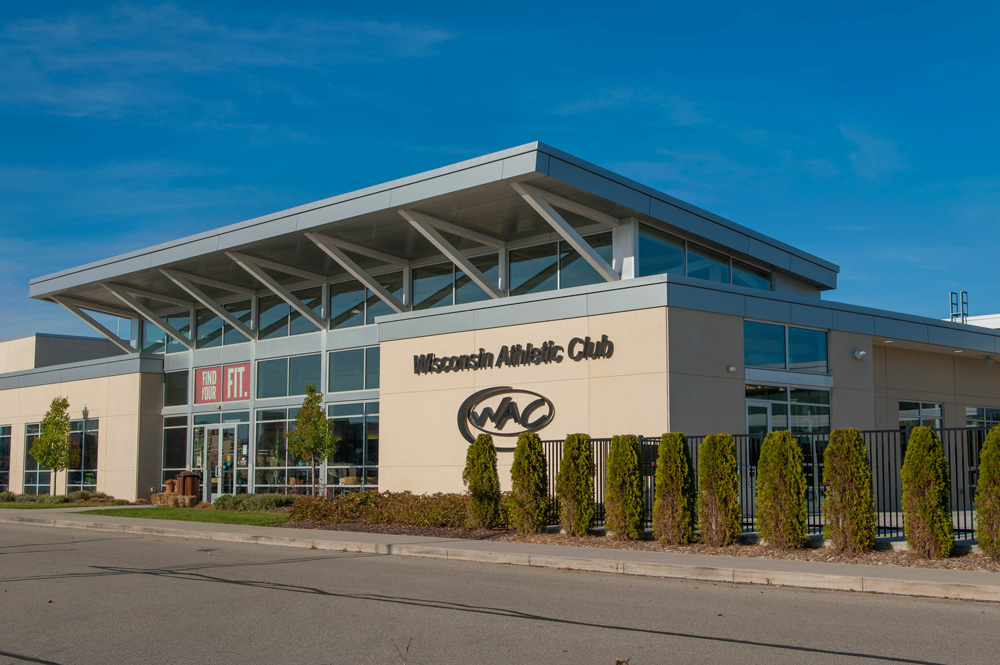
The Total Solution for the Architect

In addition to helping meet all of the building owner’s goals, total precast concrete systems provide specific advantages to architects that make the design process smoother.

Interior design flexibility: Precast concrete systems help building owners adapt to changing client needs through the years. Double-tee spans of 45 to 50 feet match typical composite-steel framing and minimize the need for interior columns required with cast-in-place systems. Precast spans can reach as much as 70 feet, providing flexibility for challenging interior requirements. Precast also provides high floor-loading capability with little added cost.

Efficient design: Working in parallel with the precaster can provide early and precise design aid that ensures the most efficient sizes and shapes for components, which minimizes the budget for casting, transporting and erecting pieces. Component repetition reduces form costs and aids design speed while retaining design flexibility. These cost efficiencies free up more of the budget for other critical design areas.

Aesthetic variety: Innovative precasters continue to develop mixes, tints, insets, finishes and multi-color pours, providing an almost endless range of aesthetic options. Virtually any desired appearance can be achieved. The options include natural stone replication, inset brick, multi-color panels, multi-surface textures and special logo, emblem or signage embedment.

Strong finish-approval process: Precasters can provide finish samples, range samples and large-scale mockups, ensuring that design concepts translate into reality. Designers can inspect window interfaces, joint connections and other critical elements to ensure they are visually acceptable and will properly interface between trades. Plant visits to discuss technical and aesthetic concerns provide control without required constant site supervision.

Green design: Precast concrete offers a number of benefits that make it environmentally-friendly, a growing need as the Leadership in Energy & Environmental Design (LEED) criteria become more popular. Precast requires fewer chemicals to keep it clean over its long lifetime, and it offers a high thermal mass. It can be produced locally and creates no job waste. Cement reducers such as fly ash and other admixtures also aid its environmental friendliness. And its high durability gives it a total service life that far outpaces designs using other building materials.

Tight floor-to-floor heights: Precast concrete systems sometimes fit within alternative system depths but shouldn’t add more than approximately eight inches to each floor level, creating an approximate 5-percent increase in exterior wall material. This slight addition is easily overcome by working with the precaster to make effective use of the overall floor-plan shape and using the benefits precast provides in repetition of component fabrication.

Concrete systems mean success. The benefits offered by total precast concrete systems accrue to the owner, architect, general contractor and structural engineer’s bottom lines – and ultimately benefit the end user. The system provides an efficient design, cost effectiveness and a strong, durable appearance that will maintain its image throughout a long service life.

Key Benefits:

  • Speed to market

  • Design flexibility

  • Aesthetic versatility

  • High quality

  • Low maintenance

  • Environmentally-friendly

  • Strong engineering support

  • Single-source supplier

-  Information courtesy of PCI.
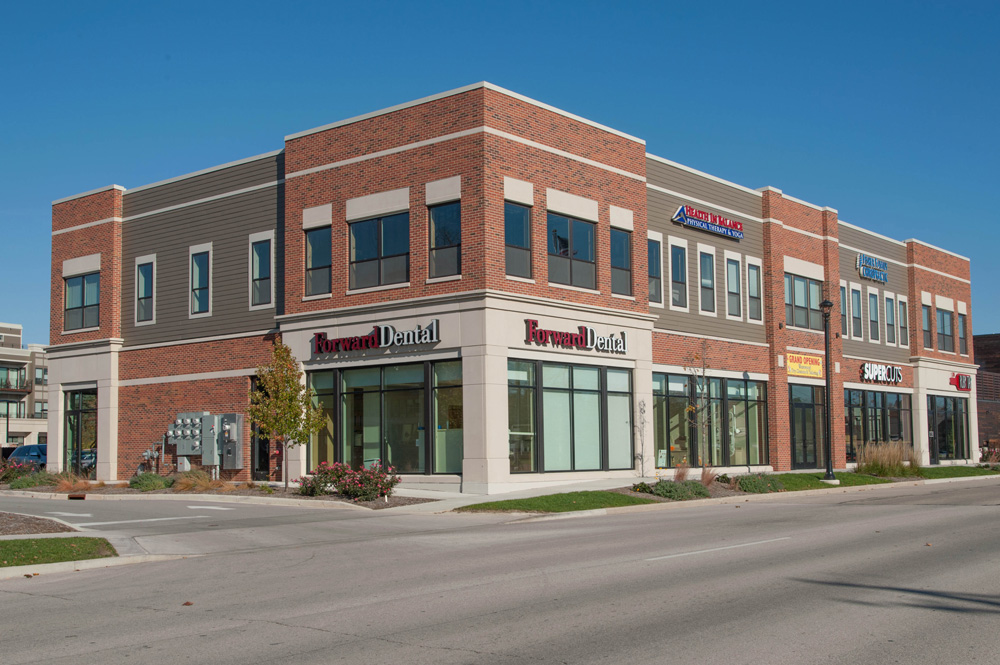
The Total Solution for Building Owners

Total precast concrete building systems, in which architectural and structural precast, prestressed concrete components combine to create the entire building, are becoming the format of choice for many construction teams.

This design approach can take several forms, including precast columns and beams with panelized cladding or load-bearing precast walls and double-tee or hollowcore flooring. In any format, the advantages benefit every member of the construction team – especially the owner, whose goals are always paramount.

Speed to market: Developers who use total precast systems say it saves the project six to eight weeks compared to steel and even more when compared with cast-in-place concrete. That savings can be critical in bringing a new building into a competitive market, or in meeting a tenant’s need for occupancy on a specific date. As permitting and decision-making processes slow, total precast system’s speed helps keep projects on track.

The scheduling advantages result from several factors that grow through the process:

  • One-stop shopping secures much of the building’s shell in one efficient, contractual relationship.

  • The ability to begin fabrication while permitting and site work are completed allows precast concrete to begin erection as soon as foundations are complete.

  • Designers find precast systems easier to design, thanks to aid from the precaster’s engineering.

  • Precast components can be erected in winter conditions, maintaining tight schedules.

  • With total precast systems, speedy erection allows the contractor to enclose the building quickly, giving interior trades faster access.

  • Precast’s inherent fire resistance eliminates the messy and time-consuming work of fireproofing a steel structure and then repairing it as other trades finish.

Strong image: Precast concrete panels offer a wide range of styles and can be produced in a variety of colors, textures and finishes. They can replicate granite, brick or stone, achieving a strong, institutional image at a fraction of the cost.

High quality: PCI-certified precast concrete fabricators must undergo two annual, unannounced inspections that review more than 120 production and quality-assurance processes. The tight control ensures components are produced with uniform consistency.

Low maintenance: Precast panels require less maintenance than other materials. Incorporating the architecture into the structure enlarges panel sizes, minimizing the number of joints. This significantly reduces the chance for water penetration that can weaken a structure and cause unsightly staining and mold problems.

Effective pricing: Because of precast concrete’s tightly controlled and shorter production process, costs can be more accurately estimated earlier in the process. Parallel effort by precast engineering ensures that estimates remain stable, assuring the contractor, owner and design team that the budget is sound.

Safety: In-plant casting keeps the site cleaner and eliminates trades from the construction zone, improving logistics and enhancing worker safety. The ability to provide a clean site is particularly vital on existing campuses and in dense urban area, where adjacent businesses can maintain near-normal activities.

Early input: Precast manufacturers support design and coordination efforts as early as half-way into schematics. The precast can ensure the building takes full advantage of state-of-the-art fabrication and connection techniques. This input allows the project to remain cost-effective and efficiently designed.

Concrete systems mean success. The benefits offered by total precast concrete systems accrue to the owner, architect, general contractor and structural engineer’s bottom lines – and ultimately benefit the end user. The system provides an efficient design, cost effectiveness and a strong, durable appearance that will maintain its image throughout a long service life.

Key Benefits:

  • Speed to market

  • Design flexibility

  • Aesthetic versatility

  • High quality

  • Low maintenance

  • Environmentally-friendly

  • Strong engineering support

  • Single-source supplier

-  Information courtesy of PCI.